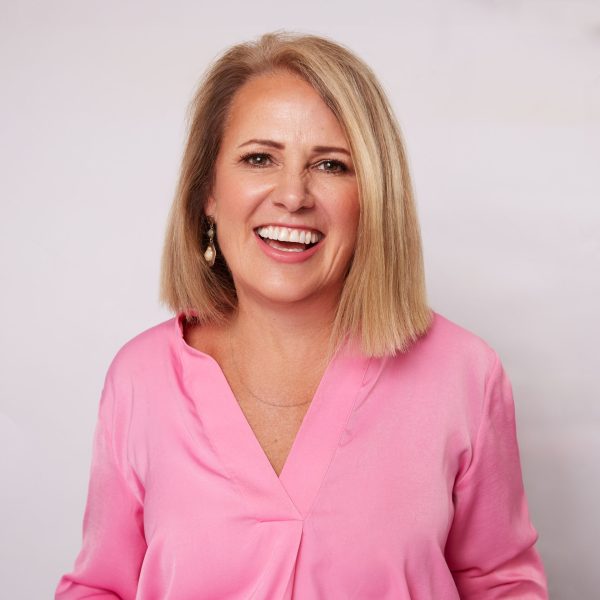
My path into health coaching was a little unusual. I always knew I wanted to work directly with people to support health and wellbeing. After completing a Bachelor of Public Health and working in different community care roles, I came across a job advert for a chronic disease health coach and thought, this sounds like something I would love. I was thrown into the deep end with chronic and complex care clients, but with a supportive team of nurses and Accredited Health Coaching Australia training, I built my confidence and skillset.
Before moving into health coaching, I worked across dentistry as a dental nurse, disability support and women’s health. My Bachelor of Public Health strengthened my understanding of preventative health and the social determinants that can either support or create barriers to making health changes. Once I was working in health coaching, I completed a Certificate of Mental Health with Monash University, along with additional mental health training, so I could better support clients where mental health challenges and chronic disease often go hand in hand.
I work within a clinical and complex care setting, supporting people typically living with 3 or more chronic conditions, such as Heart Failure, COPD and Type 2 Diabetes. Predominantly, I work within a chronic disease nursing program called Health@Home Pathway, working alongside amazing nurses to help clients self-manage their conditions and stay well at home, avoiding hospital presentations.
I was drawn to this population group given my own experience living with chronic health conditions and understanding how overwhelming it can be navigating the healthcare system whilst managing health problems that may not go away. Health Coaching has been a powerful tool in supporting this population to reduce overwhelm and take back control over their health and wellbeing.
I work in a community health setting at Each. My day usually starts with a team coffee run at our local cafe, followed by home visits where I run individual sessions in people’s homes. Providing care in the home is such an important part of our Health@Home program, as it means we can reach clients who may not otherwise be able to access services because of barriers to leaving the house. Back in the office, I do a lot of follow-up work, including placing referrals to physiotherapists, dietitians, My Aged Care and other supports, as well as liaising with the client’s wider care team and case conferencing with the nurses. On Thursday mornings, I collaboratively run a Walking Group for clients to promote gentle movement and social connection.
One client story that has really stayed with me was a woman in her 60s who was referred to our program for support managing her respiratory condition. When we first met, she was socially isolated, struggling with daily routines and self-care, had limited mobility, was smoking, feeling breathless and very overwhelmed. With health coaching and nursing support over about six months, she made such a significant change. She became less short of breath, was walking more freely, had stopped smoking, was taking care of herself again, doing her hair and makeup, attending an ongoing exercise group and reconnecting with her local church. This is just one of the many amazing health and wellness journeys I feel so honoured to walk alongside.
I think health coaching is different because we are often the bridge between the client and the wider care team. We provide the space, time and resources to help people make sense of their health journey and feel more confident to make and sustain change. A client might come to us with a recommendation from a clinician, and our role is to work alongside them to put that advice into action in a way that feels realistic and fits into their everyday life.
One of the most important skills has been learning to listen to understand, rather than listening to respond. When clients feel really heard, it becomes much easier to explore the barriers that are getting in the way of change and work together on practical ways to overcome them.
One of the biggest challenges has been finding and creating opportunities for career development, especially in community settings where health coaching is still an emerging space. It has taught me to be proactive, keep learning, and look for ways to build the role and demonstrate the value health coaching can bring to clients and care teams.
If you enjoy a challenge, value genuine connection, and feel comfortable supporting people who may be vulnerable or overwhelmed, then health coaching could be a really meaningful space to move into. Being able to meet someone where they are at, without judgement, is such a big part of the work.
I am really excited to see health coaching continue to expand across community health services, and for GPs and allied health professionals to increasingly utilise health coaches as part of a person’s care team. There is so much value in supporting clients to build confidence, strengthen self-management skills and improve their overall health and wellbeing while living with complex or chronic health conditions.
Caitlyn Toomey is a Health Coach at Each, working within a clinical and complex care setting to support people living with chronic health conditions. She works alongside nurses and wider care teams through the Health@Home Pathway, helping clients build confidence, strengthen self-management skills and stay well at home. Caitlyn is passionate about person-centred care, reducing overwhelm, and supporting people to feel more in control of their health and wellbeing.