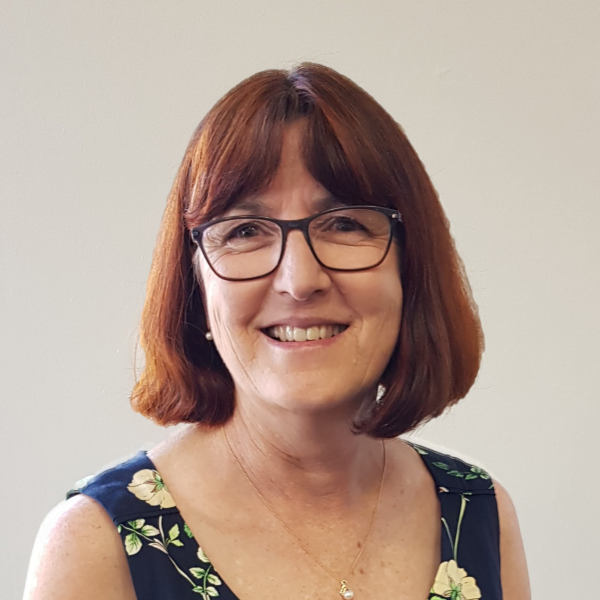
By Karen Stein, Menopause Champion & Executive Coach from Karen Stein Coaching
“It’s about creating workplaces where women can flourish – not just survive – through midlife and beyond.” Karen Stein
When You Hear The Word Menopause, What Comes To Mind?
For many, it’s considered a private health matter, perhaps something to be endured silently. Yet the reality is far broader. Menopause may have a tangible impact in workplaces, particularly in those cases where perimenopause symptoms affect how a woman thinks, feels or acts.
Many women seek long-term, positive, sustainable careers. Organisations benefit from this too. With appropriate support, women, and some non-binary and transgendered persons, can develop strategies to navigate this life stage with confidence. This article explores how coaches can support those experiencing menopause in the workplace and how they can be “M.A.D” about menopause™️ (making a difference) as they do so.
Why Menopause Matters At Work
Menopause isn’t a niche issue. It affects every woman and some non-binary and transgendered persons. With over 4 billion women globally, around 1 billion are of perimenopausal age (45-54 yrs) and half are in the workforce. Closer to home, approximately 3.5 million Australian women are currently in this life stage, with around 83% in the workforce.
Approximately 80% of perimenopausal women experience related symptoms which range from bothersome to life changing. The symptoms may be physical, emotional and/or cognitive.
Unfortunately, menopause doesn’t respect the boundaries between home and work; symptoms don’t stop before the office door. They can influence how women think, feel, and function, which can impact performance, confidence, and career progression.
Research from the Bankwest Curtin Economics Centre estimates that reproductive health symptoms cost Australian businesses $22 billion annually in lost productivity. Menopause symptoms account for $7.4 billion of this cost to business. Much of this stems from “presenteeism,” where women are physically at work but struggling to perform at their best.
It’s not surprising then, that research suggests that close to one in ten women leave the workforce due to menopausal symptoms, while two-thirds women report a significant drop in workplace confidence during this stage of life.
How Coaching Helps
 Coaching provides a safe, judgment-free space for reflective conversation. A coach meets their coachee where they are, helping them identify strategies that support wellbeing, confidence, and impact at work.
Menopausal symptoms can be unpredictable, from hot flushes in board meetings to disrupted sleep before critical deadlines. Coaching helps coachees build self-awareness and agency to address challenges, moving toward their best or better self.
Here’s how coaches can make a difference.
1. Recognise menopause as a life stage, not an illness
Menopause is not a pathology but is a stage of life. Every woman’s experience of menopause is unique. Some women feel vulnerable, embarrassed, or even ashamed to talk about the impact of their symptoms due to misconceptions. As coaches, we can “hold space” for these conversations without judgement. Recognising that there are some 48 possible perimenopausal symptoms helps validate each woman’s experience.
Coaching is not about giving medical advice. It’s about helping your coachee to build their self-awareness and an understanding of their needs in the workplace. This may start with their gathering data, tracking symptoms, and better understanding the impact of their work environment on their symptoms. These insights may further inform the coachee and support their consideration of how to step towards solutions which improve their wellbeing and career experience.
2. Support with empathy and flexibility
Being familiar with the phases of menopause (pre-, peri-, and post-menopause) allows a coach to stand in the coachee’s shoes. Thoughtful questions can help identify solutions, such as:
- “What would support you most at work right now?”
- “How might flexible work practices help?”
- “Who could guide you on existing policies?”
Small changes, such as flexible hours, uniform adaptations, or improved temperature control, can make a significant difference.
For example, one coachee noticed increasing anxiety before client presentations. Through coaching, she developed grounding strategies and adjusted her meeting times. Her performance and confidence both improved.
3. Reframe the narrative
 Too often menopause is framed as decline or a story of loss. Coaching offers a new narrative: one of growth, resilience, and leadership. Coaches can help women see this transition not as the end of something, but as the beginning of a powerful new chapter.
Drawing on positive psychology, coaches can help women move from merely surviving to thriving, and from presenteeism to being positively present. Coaches can help women reframe their stories, strengthen their sense of agency, and step back into their power. That confidence builds leadership presence which ripples benefits not only to the individual, but the entire workplace.
Four practical positive psychology coaching lenses include:
- Strengths: Help women identify who they are at their best and what energises them. Aid in their discovery of how to use their strengths, even in tough moments. “What still energises you? How can you draw on that in support?”
For example, one woman rediscovered her strength in mentoring others and reframed this as a source of energy during a challenging period.
- Hope & Optimism: Encourage future-focused thinking, goal setting, and viewing menopause as a transition and not a full stop. “What future do you want to create for yourself?”
- Meaning: Explore values and purpose to navigate identity shifts. “What matters most at this stage of life and career?”
- Mental Toughness: Support women to build resilience and navigate challenges with a positive mindset. Encourage awareness of organisational supports that can help them thrive.
4. Build confidence with self-determination theory
A symptom of perimenopause may include reduced confidence at work. Self-Determination Theory (as explained by HCANZA Board Member Dr Gordon Spence) provides a valuable framework for coaching, focusing on three key psychological needs: autonomy, competence, and relatedness. Related coaching conversations can help women feel more in control, capable, and connected, boosting both confidence and motivation.
- Autonomy: Menopausal symptoms may create feelings of loss of control of coachee’s bodies, minds, goals and careers. Helping them regain agency through small choices and perspective shifts can restore confidence.Coaches can help restore a sense of choice by encouraging self-coaching strategies, helping coachees make informed lifestyle or work adjustments, and reinforcing that they have agency in how they respond.
- Competence: Doubts about ability are common, especially with symptoms like brain fog and forgetfulness. Coaches can use strengths-based approaches, celebrate small wins, and highlight existing skills to help coachees feel capable and effective again.
- Relatedness: Feelings of isolation are common, with some menopausal women feeling invisible, disconnected with colleagues, or wondering who they can talk to at work. Supporting women to connect with trusted colleagues or mentors helps them express needs, seek support, and rebuild belonging.
When coaches help women notice their thoughts, emotions, and behaviours, they can make conscious, empowering choices to thrive rather than just survive.
A Call To Action For Coaches
Coaches play a pivotal role in helping women navigate this transition with confidence and clarity. Through coaching conversations, women can reconnect with their strengths, re-author their stories, and redefine what thriving looks like in midlife and beyond.
By supporting women to notice, reflect, and act with agency, coaches don’t just improve individual wellbeing, they help shift workplace cultures toward greater inclusion, empathy, and performance.
It’s time for coaches to be truly “M.A.D” about menopause™️ and make a difference, amplify awareness, and demonstrate the power of coaching to help women flourish at work and in life.
To learn more about approved training programs, visit HCANZA’s directory
To find a coach https://hcanza.org/find-a-coach/
About the Author
 Karen Stein is a Menopause Champion, Executive and Group Coach, and award-winning author of Be Your Leadership Coach (self-coaching strategies to lead your way). With 30+ years in professional services, including Deloitte, she led coaching programs and menopause initiatives, helping secure Menopause Friendly Employer accreditation. Founder of her own business, Karen delivers coaching, workshops, and keynotes, empowering women+ to thrive in leadership, careers, and menopause, with over 2,500 hours as an ICF Professional Certified Coach.
If you would like to know more about Karen Stein and her “M.A.D” about menopause™️ programs, you can reach her below.
https://www.karensteincoaching.com/
https://www.linkedin.com/pulse/mad-menopause-making-difference-work-karen-stein-w0b7c/
https://www.linkedin.com/in/karen-stein-coaching/
__________________________________________________________________________________